Deadly Descent


















About Deadly Descent
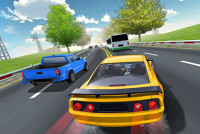
Deadly Descent drops you at the top of a mountain and expects you to make it to the bottom in one piece. The road twists, dips, and narrows without warning, and there’s no reset mid-run—just you, the car, and whatever comes next.
Speed Feels Good… Until It Doesn’t
There’s a turbo button, and yeah, you’ll want to use it. On straight roads, it gives you that clean burst of speed that feels perfect. Then a sharp turn or obstacle shows up too late, and suddenly that extra speed becomes a problem.
Everything Can End Your Run
Falling crates, spikes, tight edges—none of it forgives mistakes. Hit something head-on and your car takes real damage, sometimes enough to end the run right there. Even small hits add up, so you start driving a little more carefully, whether you want to or not.
Find the Balance
Going slow won’t get you far, but going too fast won’t either. The game pushes you to find that middle ground—fast enough to make progress, controlled enough to stay alive.
It Gets Tougher the Further You Go
New tracks don’t just look different, they demand more from you. Tighter paths, worse hazards, less room for error. Unlocking them feels like progress, but finishing them is another story.
You’ll Learn the Hard Way
Every crash teaches you something—when to boost, when to hold back, when to expect trouble. You don’t master it quickly, but you can feel yourself getting better run by run.
Other games
Discuss: Deadly Descent